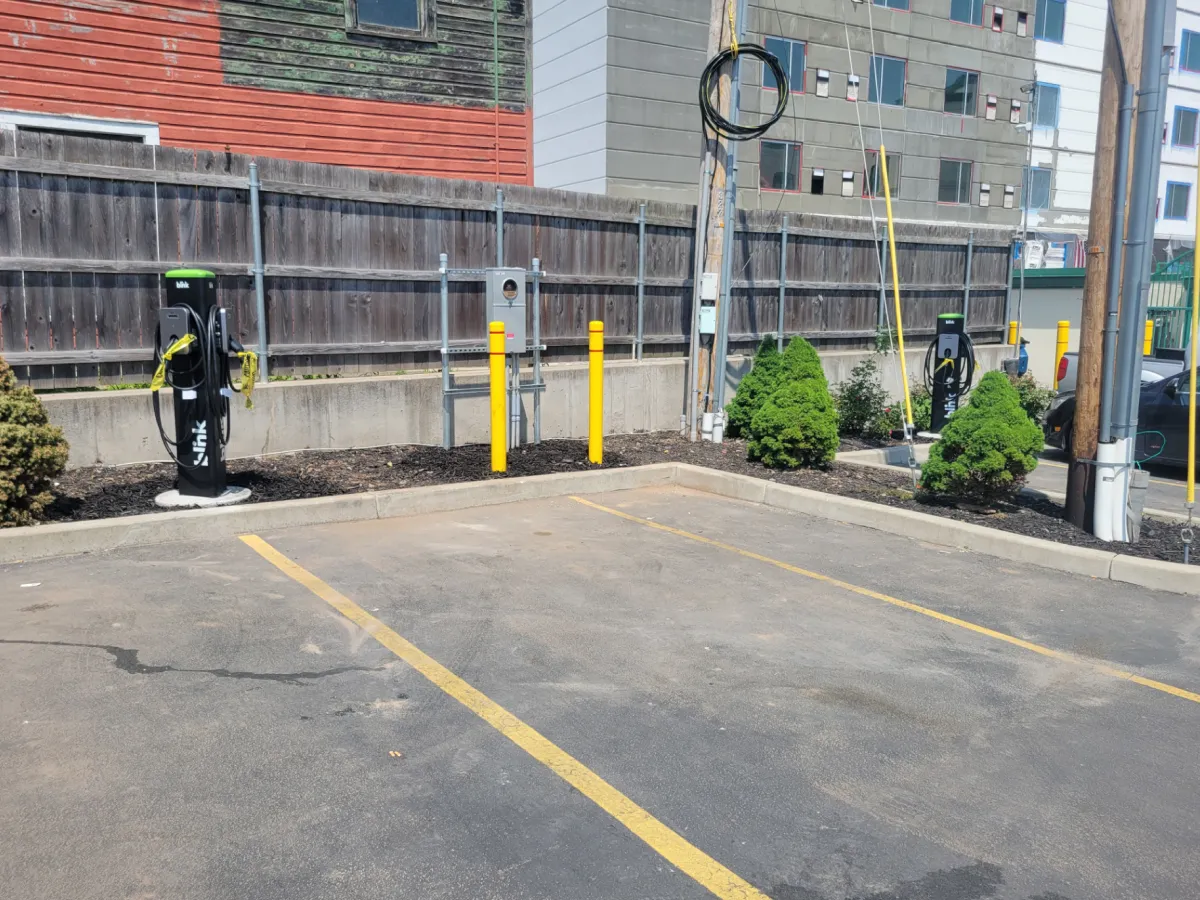
Why You Need a Qualified EV Charging Station Contractor in Buffalo
Installing an EV charging station involves far more than mounting a unit on your wall. The electrical infrastructure in Western New York requires careful evaluation, particularly in older Buffalo neighborhoods where service panels may need upgrading to handle the additional load of a Level 2 charger. A qualified EV charging station contractor understands the nuances of local building codes, permit requirements specific to Erie County, and the electrical demands that come with Buffalo’s cold winters when battery charging draws more power.
Professional installation ensures your system meets National Electric Code standards while complying with New York State regulations. The permitting process alone can be complex, requiring detailed electrical plans and inspections that inexperienced installers often overlook. When you work with PPR Energy Solutions, you benefit from turnkey installation services that handle every aspect, from initial site assessment through final inspection and activation. This approach protects your investment, maintains your home warranty, and ensures safe operation for years to come. DIY installations or unlicensed work can void manufacturer warranties, create fire hazards, and result in costly corrections down the line.
Key Factors to Consider When Selecting an EV Charging Contractor
Selecting the right contractor begins with verifying proper licensing and insurance coverage. In New York, electrical contractors must hold a valid license issued by the state, and installers should carry both liability insurance and workers’ compensation coverage. Request proof of these credentials before any work begins. Experience matters significantly, especially when dealing with both residential and commercial projects that have vastly different power requirements and code considerations.
Look for contractors with a proven track record in EV infrastructure specifically, not just general electrical work. Ask about the types of chargers they install, whether they handle both hardwired and plug-in units, and if they have experience with your specific vehicle make and model. Response time and availability are practical concerns in the Buffalo area, where weather can impact scheduling. A contractor who communicates clearly about timelines and potential delays demonstrates professionalism. Warranty coverage is another critical factor. Reputable installers stand behind their work with labor warranties that complement manufacturer equipment warranties. Finally, consider whether the contractor offers ongoing maintenance and troubleshooting support, particularly valuable during harsh winter months when charging systems work harder.
Residential vs. Commercial EV Charging Solutions
Residential and commercial EV charging installations differ substantially in scope, complexity, and investment. A typical homeowner in Williamsville installing a single Level 2 charger needs a 240-volt circuit, similar to what powers a clothes dryer or electric range. The installation usually involves running conduit from the main panel to the garage or driveway, a relatively straightforward project for qualified electricians. Residential systems typically deliver 30 to 50 amps, providing a full overnight charge for most electric vehicles.
Commercial installations present greater complexity. A small business in Cheektowaga adding employee charging might need multiple stations with load management systems that distribute power efficiently across units. These projects often require service panel upgrades, dedicated transformers, or even utility company coordination to increase available power. Commercial charging stations also need networked capabilities for payment processing, usage tracking, and remote monitoring. Installation timelines reflect this complexity. While residential projects typically complete in one to three days, commercial installations can take several weeks depending on infrastructure needs. Western New York has seen growing workplace adoption of EV charging as employers recognize the benefit of supporting employees who drive electric vehicles, making commercial installations increasingly common across the Buffalo metro area.
Installation Timeline and What to Expect
Understanding the installation process helps set realistic expectations. The first step involves a site assessment where the contractor evaluates your electrical panel capacity, determines the optimal charger location, and identifies any necessary upgrades. This initial visit typically takes an hour and results in a detailed proposal outlining scope, timeline, and costs. Once you approve the plan, the contractor secures required permits from your municipality, a process that can take anywhere from a few days to two weeks depending on local building department workload.
The physical installation for a typical residential project takes one to three days. The contractor installs the circuit breaker, runs electrical conduit and wiring to the charging location, mounts the unit, and makes final connections. After installation, a municipal inspector must verify the work meets code requirements. Following successful inspection, the contractor activates and tests the system, ensuring proper communication between the charger and your vehicle. Disruption to your daily routine is generally minimal. Most work occurs outdoors or in the garage, and contractors take care to protect your property and clean up thoroughly. In Buffalo’s climate, winter installations may take slightly longer due to frozen ground conditions when trenching is required, so many homeowners schedule installations during milder months when possible.
Cost Breakdown and Incentive Programs
EV charging station installation costs vary based on several factors. The charger unit itself ranges from a few hundred to over a thousand dollars depending on features like WiFi connectivity, adjustable amperage, and smart charging capabilities. Installation labor costs depend on the distance from your electrical panel to the charging location, whether your existing service has adequate capacity, and the complexity of the conduit run. Homes requiring panel upgrades or service increases will see higher total costs, but these upgrades provide long-term value beyond just EV charging.
Fortunately, substantial incentive programs help offset installation expenses. New York State offers rebates through the ChargeNY program for both residential and commercial installations. Federal tax credits may also apply depending on current legislation and your specific circumstances. These incentives can reduce your out-of-pocket costs significantly, making professional installation more accessible. When evaluating quotes, consider the total value proposition, not just the bottom line price. Quality installation by licensed contractors protects your investment and ensures reliable operation. For detailed information about available incentive programs and how to maximize your savings, consulting with a qualified installer provides valuable guidance. Most contractors offer free estimates that account for your specific electrical situation and help you understand the complete financial picture before committing to the project. Contact a licensed contractor today to discuss your installation needs and receive a customized quote.