What Is an EV Charger?
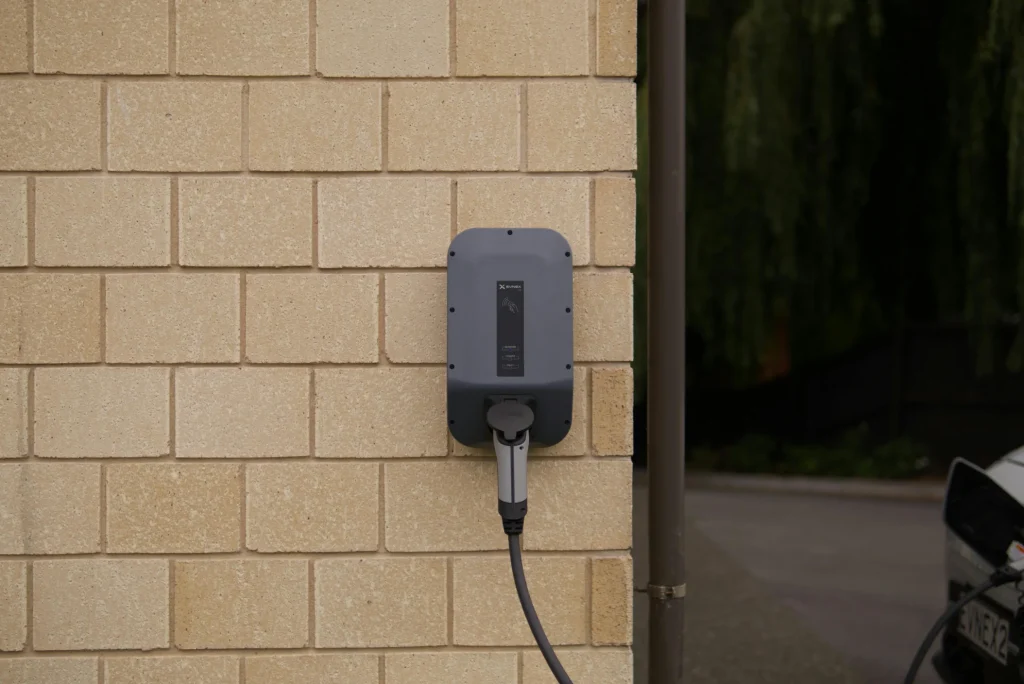
An EV charger is a device that supplies electrical energy to recharge an electric vehicle’s battery. Unlike traditional gasoline vehicles, EVs rely entirely on electricity, which means charging is a critical part of ownership.
However, the term “charger” can be a bit misleading. The actual charger is built into the vehicle. The equipment you plug into your car is technically called Electric Vehicle Supply Equipment (EVSE). Its role is to safely deliver electricity from a power source to your vehicle.
Understanding electric vehicle charging basics starts with recognizing that EV chargers control the flow of electricity and ensure safe charging conditions
How Does an EV Charger Work?
If you’re wondering how does an EV charger work, the process is simpler than it sounds:
- The charger connects your vehicle to a power source
- It communicates with your vehicle to determine how much power is needed
- Electricity flows into the car’s onboard charger
- The onboard charger converts AC power into DC power to store in the battery
For fast chargers (DC chargers), the conversion happens outside the vehicle, allowing for much faster charging speeds.
Safety systems are built into every EV charger. These include temperature monitoring, automatic shutoff, and grounding protection to prevent electrical hazards.
Types of EV Chargers
One of the most important parts of understanding what is an EV charger is knowing the different types available. Charging levels directly affect how quickly your vehicle charges.
Level 1 Charging (Standard Outlet)
Level 1 chargers use a standard 120-volt household outlet.
Key features:
- Slowest charging speed
- Adds about 3–5 miles of range per hour
- No special installation required
This option is ideal for overnight charging or for drivers with short daily commutes.
Level 2 Charging (Home and Public Use)
Level 2 chargers use a 240-volt outlet, similar to large home appliances like dryers.
Key features:
- Much faster than Level 1
- Adds 15–40 miles of range per hour
- Requires professional installation at home
Level 2 chargers are the most common choice for homeowners and are widely available in public charging stations.
DC Fast Charging (Rapid Charging)
DC fast chargers are typically found at commercial or highway locations.
Key features:
- Fastest charging option
- Can charge up to 80% in 20 to 45 minutes
- Uses direct current (DC) power
These are ideal for long-distance travel and quick top-ups but are not usually installed in residential settings due to cost and power requirements.
How Long Does EV Charging Take?
A common concern for new EV owners is how long does EV charging take. The answer depends on several factors:
- Charger type (Level 1, Level 2, or DC fast charger)
- Battery size of the vehicle
- Current battery level
- Charging conditions and power output
Estimated Charging Times:
- Level 1: 8–24 hours for a full charge
- Level 2: 4–8 hours for a full charge
- DC Fast Charging: 20–60 minutes to reach 80%
Most EV owners charge their vehicles overnight at home using Level 2 chargers, making daily charging convenient and efficient.
How to Charge an Electric Vehicle
Learning how to charge an electric vehicle is straightforward and user-friendly:
- Park your vehicle near the charger
- Plug the charging connector into your vehicle
- Wait for the charging session to begin (some may require an app or card)
- Monitor charging progress via your vehicle dashboard or mobile app
- Unplug once charging is complete
Many EVs and chargers also allow you to schedule charging during off-peak hours, which can help reduce electricity costs.
Where Can You Charge an EV?
EV charging can be done in multiple locations, making it flexible for different lifestyles.
- Home Charging
- Most convenient option
- Ideal for daily use
- Typically uses Level 1 or Level 2 chargers
- Public Charging Stations
- Located in shopping centers, parking garages, and workplaces
- Often includes Level 2 and DC fast chargers
- Workplace Charging
- Increasingly offered by employers
- Convenient for topping off during the day
The availability of charging stations continues to grow, making EV ownership more accessible than ever.
Choosing the Right EV Charger for Your Needs
Selecting the right charger depends on your driving habits, budget, and home setup.
Consider the following:
- Daily driving distance: Longer commutes may require faster charging
- Home electrical capacity: Level 2 chargers may need upgrades
- Installation costs: Professional installation ensures safety
- Charging speed preferences: Faster chargers offer convenience but cost more
For most homeowners, a Level 2 charger offers the best balance between speed and affordability.
Safety Tips for EV Charging
Safety is a key part of electric vehicle charging basics. Follow these guidelines to ensure a safe charging experience:
- Always use certified charging equipment
- Avoid using damaged cables or connectors
- Keep charging areas dry and well-ventilated
- Schedule regular inspections for home chargers
- Hire a licensed electrician for installation
Modern EV chargers are designed with multiple safety features, but proper use is still essential.
Final Thoughts
Understanding what is an EV charger is the first step toward embracing electric vehicle ownership. From knowing how to charge an electric vehicle to understanding how long EV charging takes, having the right knowledge makes the transition smoother.
With a variety of charging options available and expanding infrastructure, EV charging is becoming more convenient every day. By learning how an EV charger works and choosing the right setup for your needs, you can enjoy efficient, safe, and reliable charging at home or on the go.
As electric vehicles continue to grow in popularity, mastering these electric vehicle charging basics will help you stay informed and confident in your EV journey.